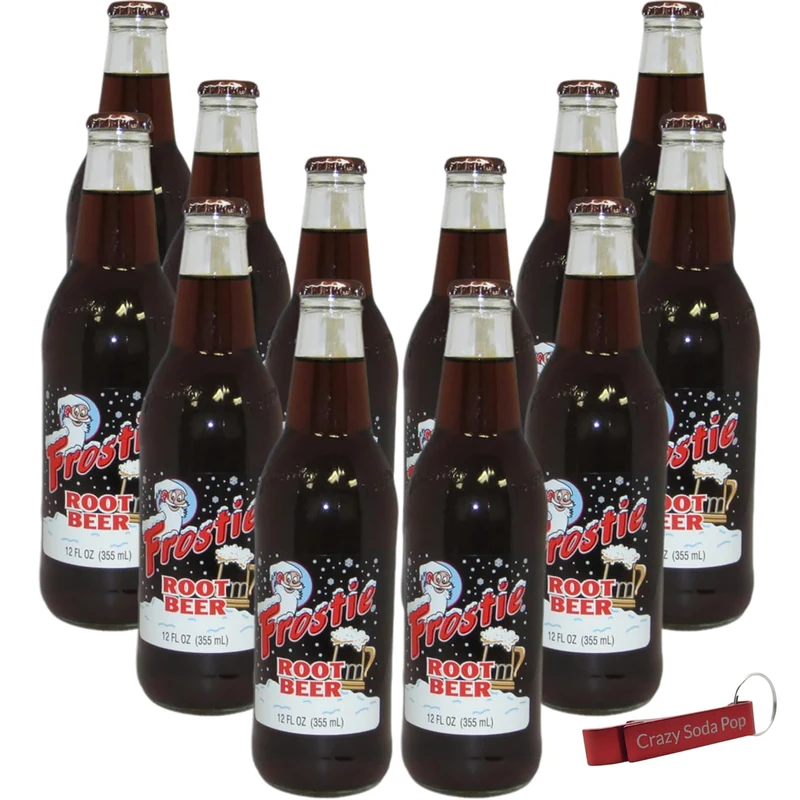
Frostie Root Beer 12 Pack
Twelve 12 oz glass bottles with real cane sugar and a nostalgic pour that builds a creamy foam cap.
Check PriceFrostie Root Beer launched in 1939 when George Rackensperger built The Frostie Beverage Company in Catonsville, Maryland. What began as a local drive-in staple grew into a sixteen-flavor catalog that still channels Americana — frosty mugs, carnival cream sodas, and grape punches poured from glass bottles.
Today Frostie sits in the sweet spot between craft nostalgia and everyday grocery aisles. Collectors hunt vintage labels; families stock picnic coolers with orange and cherry limeade; root beer loyalists debate vanilla variants over barbecue. This guide covers every major flavor, caffeine facts, and the brand story from Stewart's acquisition to modern distribution.
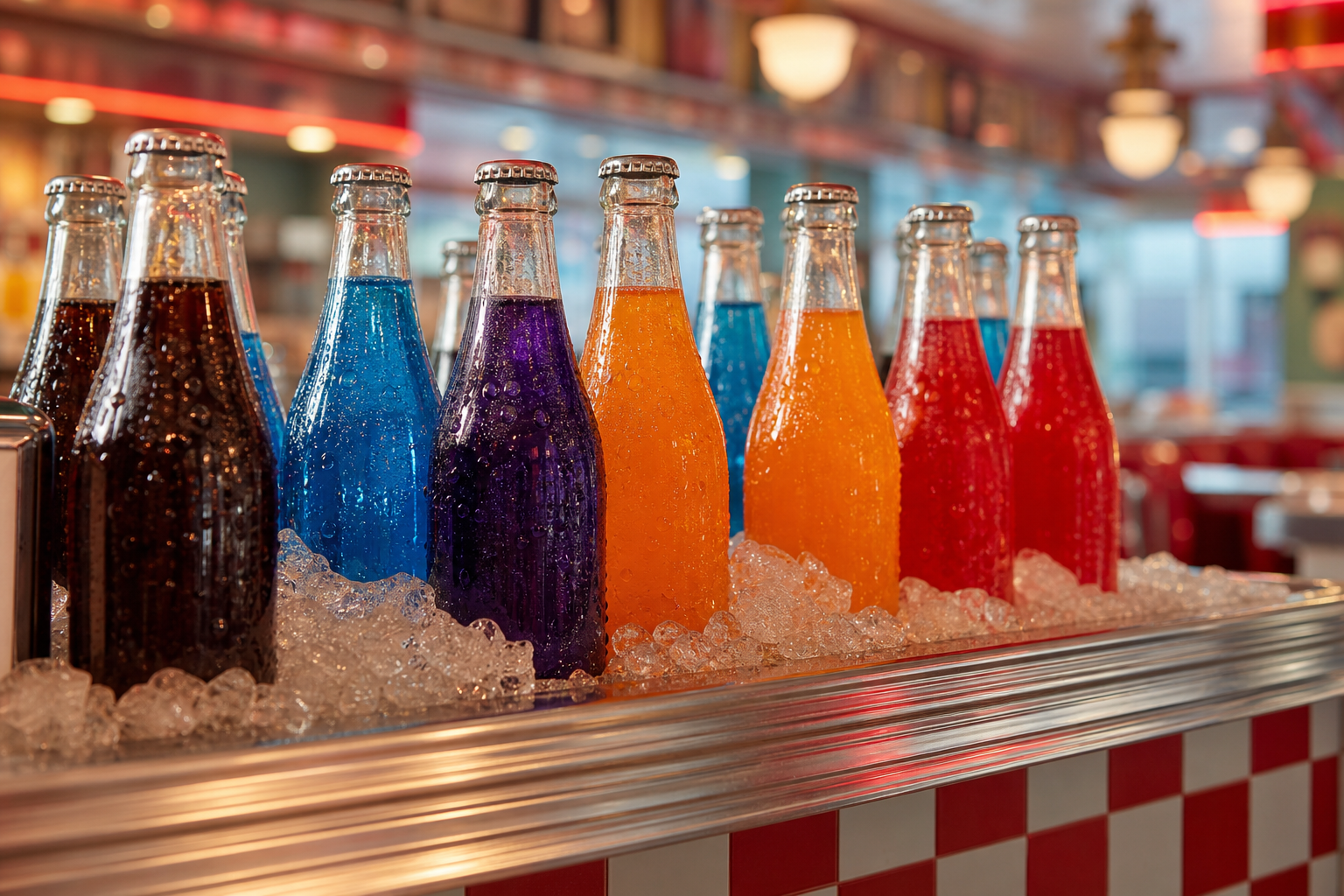
Drive-in classic
Pour it frosty
Best Sellers
Four best-selling Frostie soda packs shoppers reach for first — tap Check Price for current sizes, flavors, and delivery options.
Twelve 12 oz glass bottles with real cane sugar and a nostalgic pour that builds a creamy foam cap.
Check Price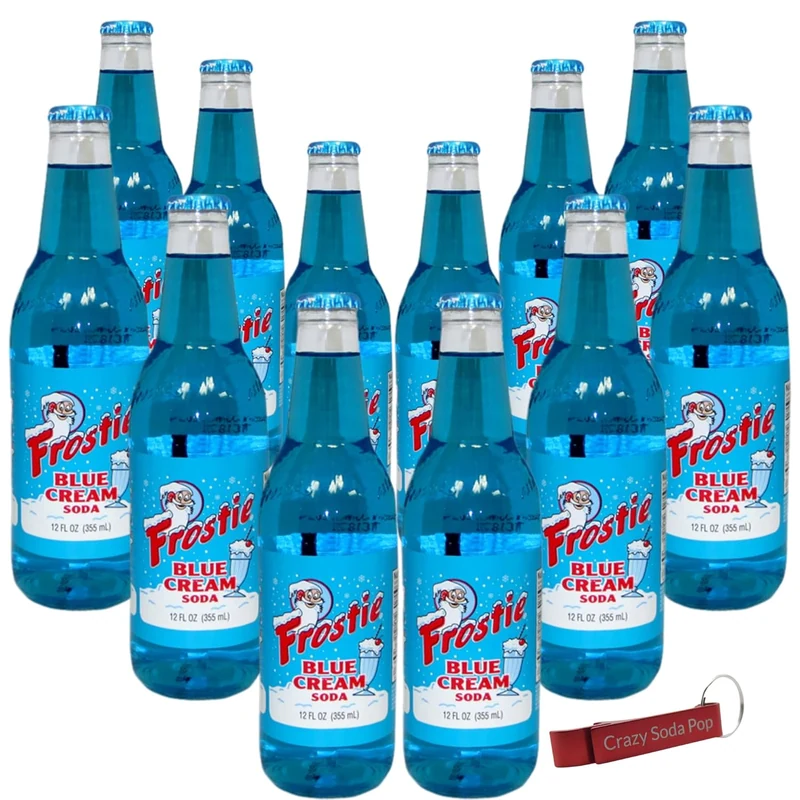
Sky-blue vanilla cream soda in a dozen glass bottles — carnival-sweet and caffeine-free for parties.
Check Price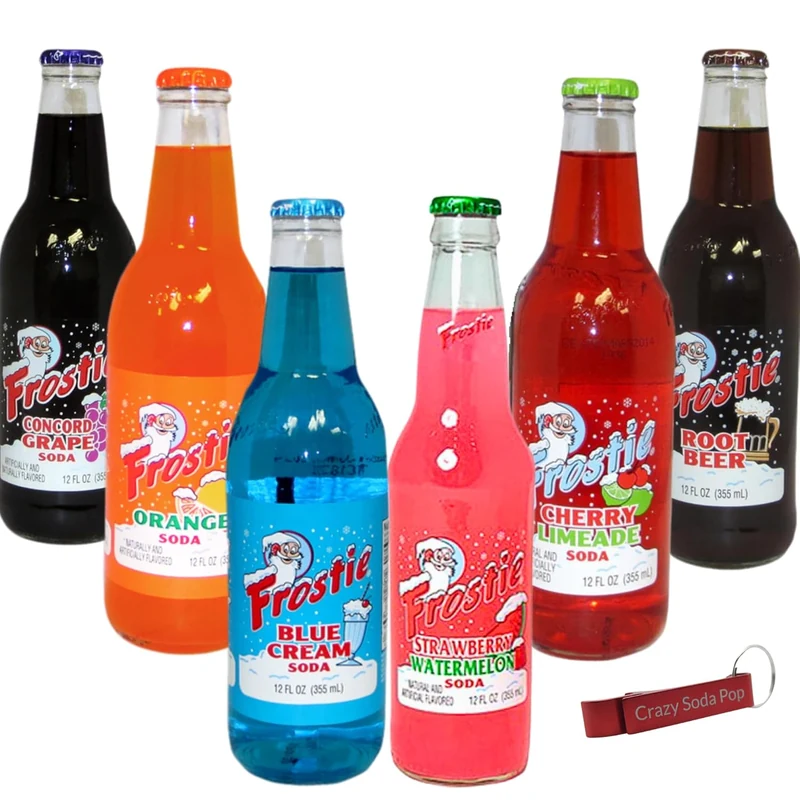
Six popular Frostie flavors in one case — ideal for tasting nights before you commit to a full crate.
Check Price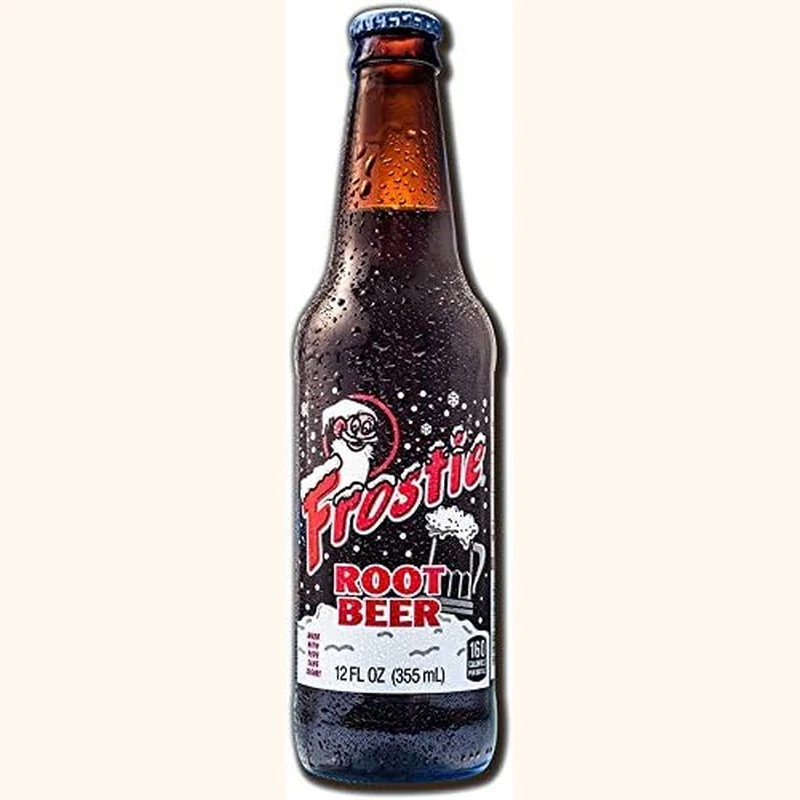
A full case of 12 oz glass root beer bottles for coolers, floats, and drive-in-style home pours.
Check PriceSignature pours
Start with the bottles that built Frostie's reputation — then dive into the full flavor guide.
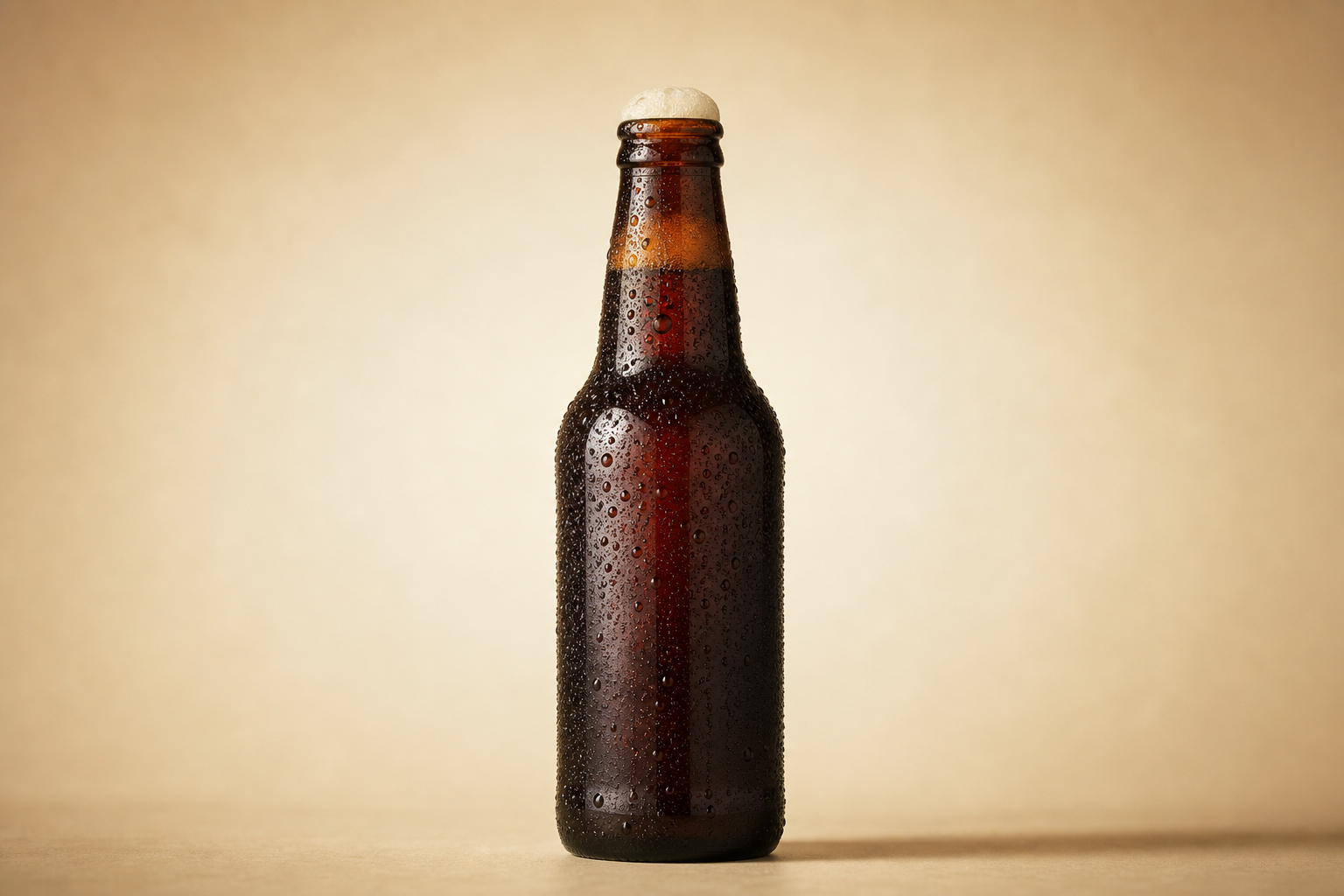
The flagship since 1939 — creamy sassafras notes and a frothy pour that defined Maryland drive-in culture.
Learn more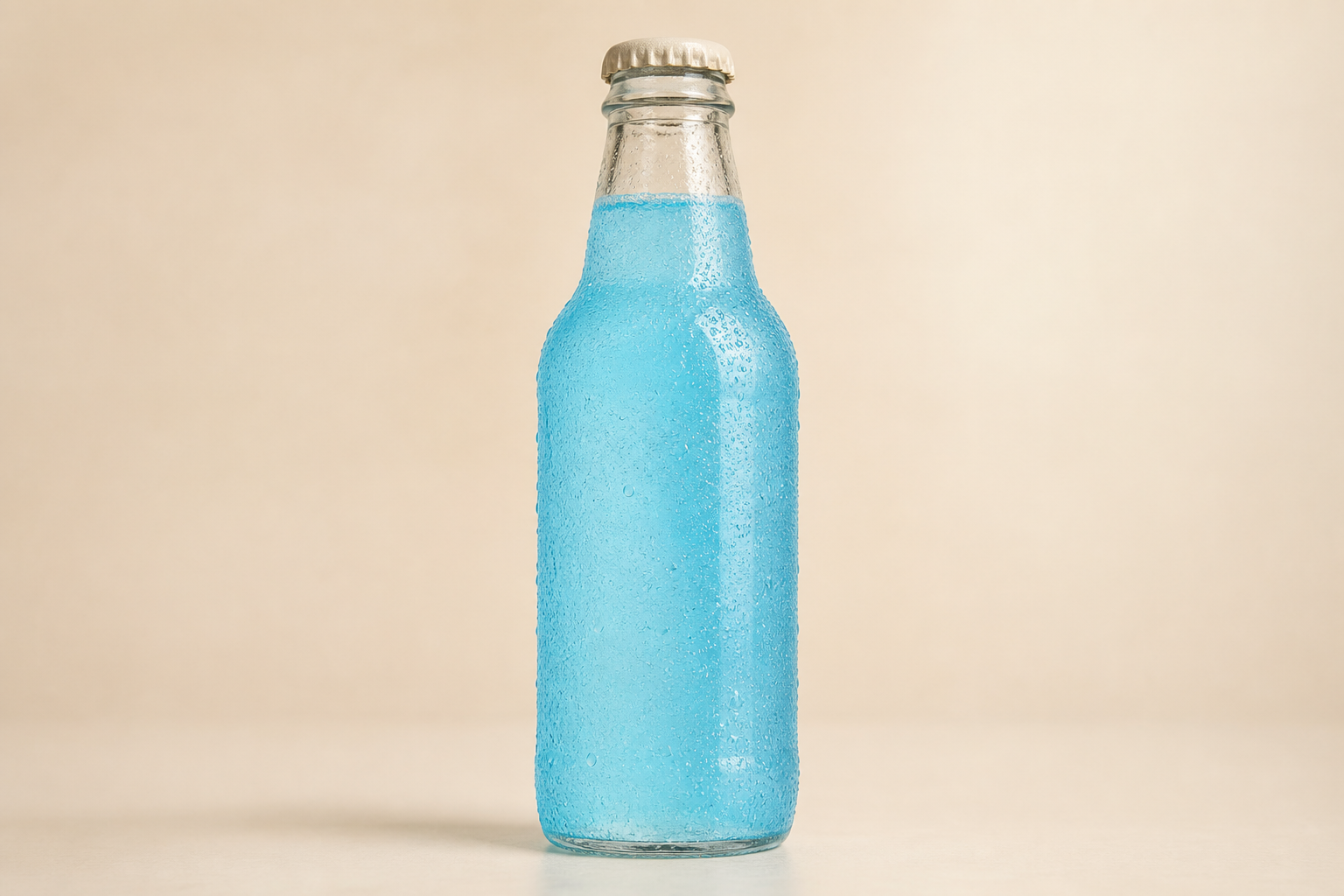
Sky-blue vanilla cream with a cotton-candy finish — a carnival classic in glass-bottle form.
Learn more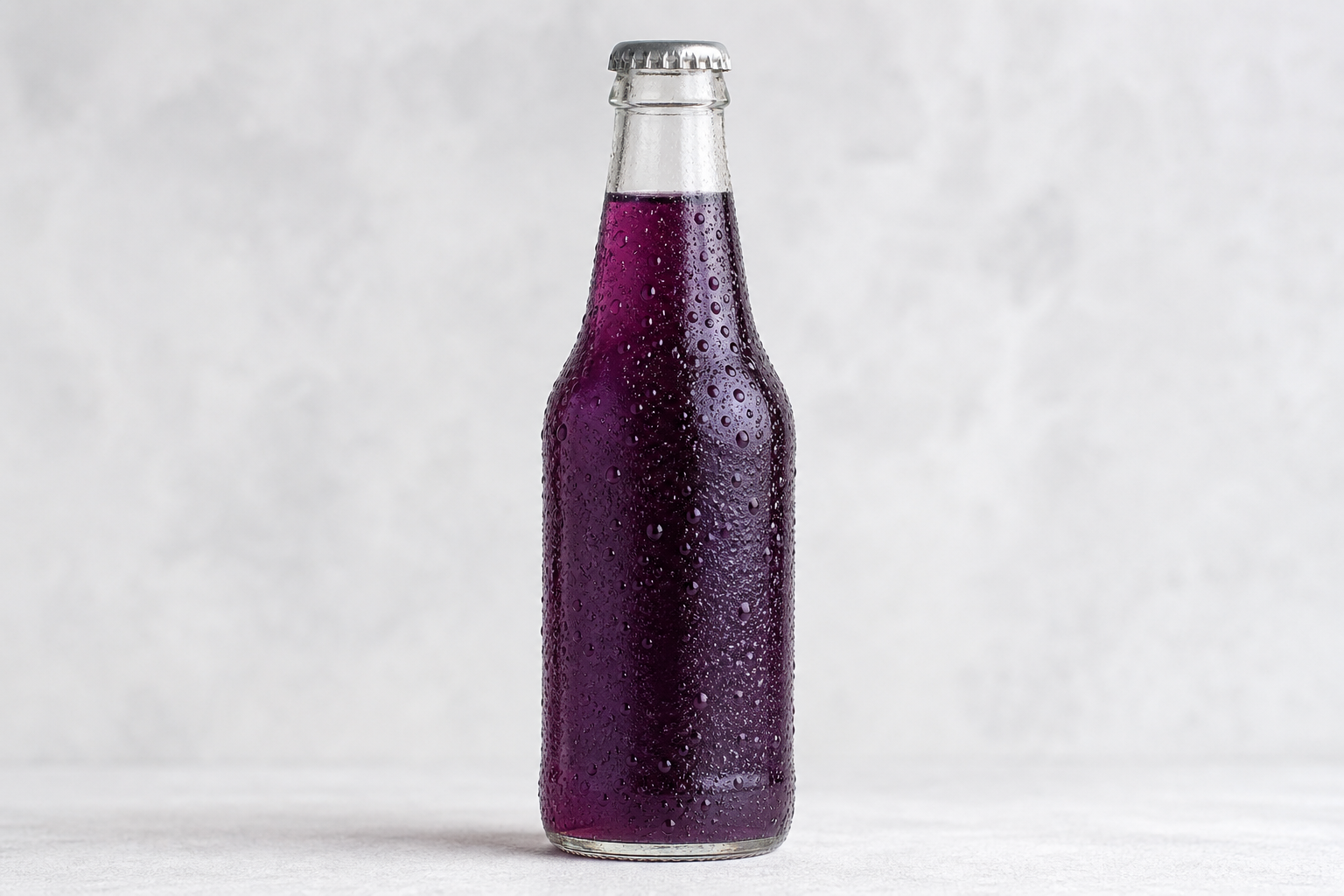
Deep purple grape punch with Concord-juice sweetness and a candy-shop finish.
Learn more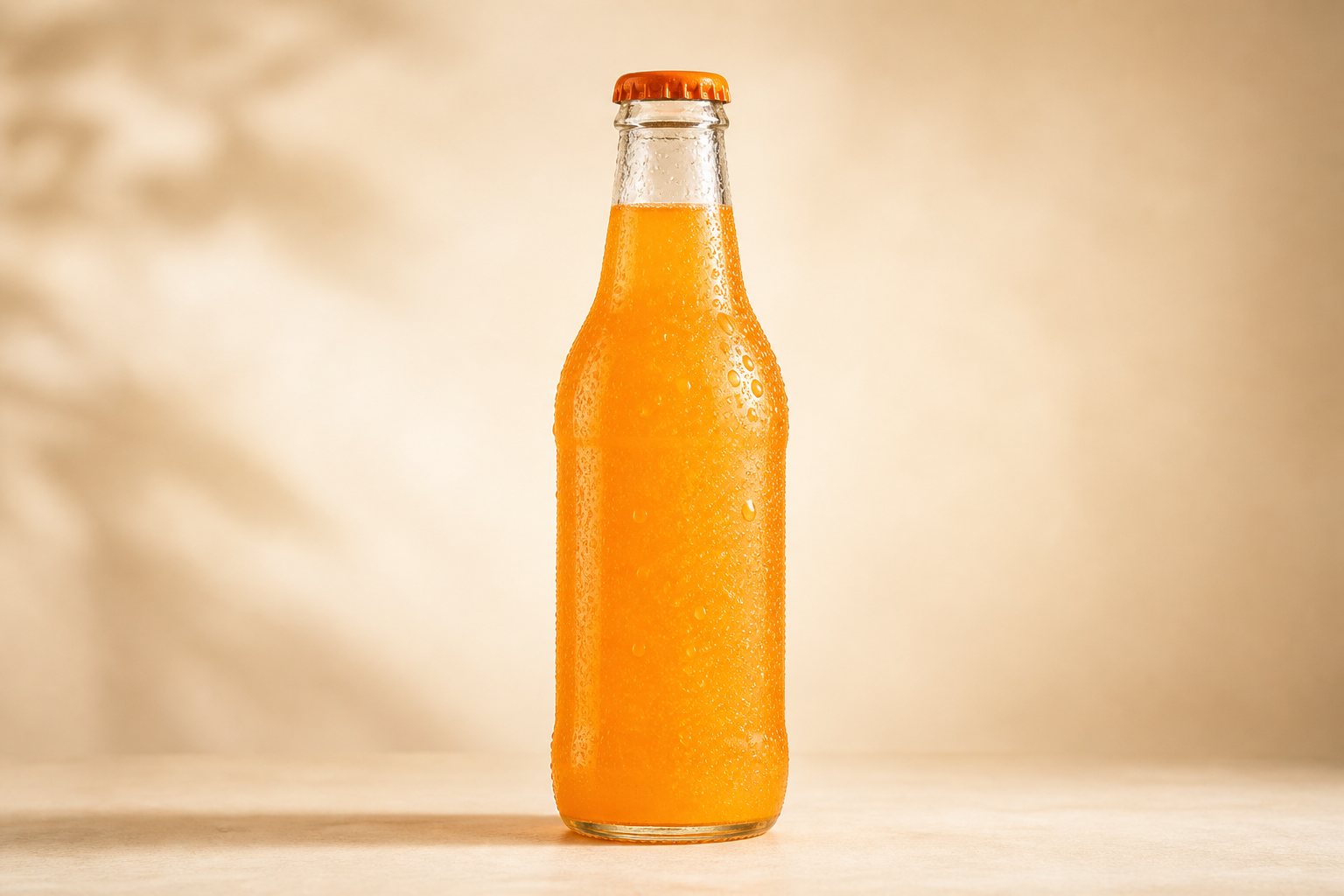
Bright citrus fizz with orange-oil brightness — picnic coolers and summer cookouts.
Learn more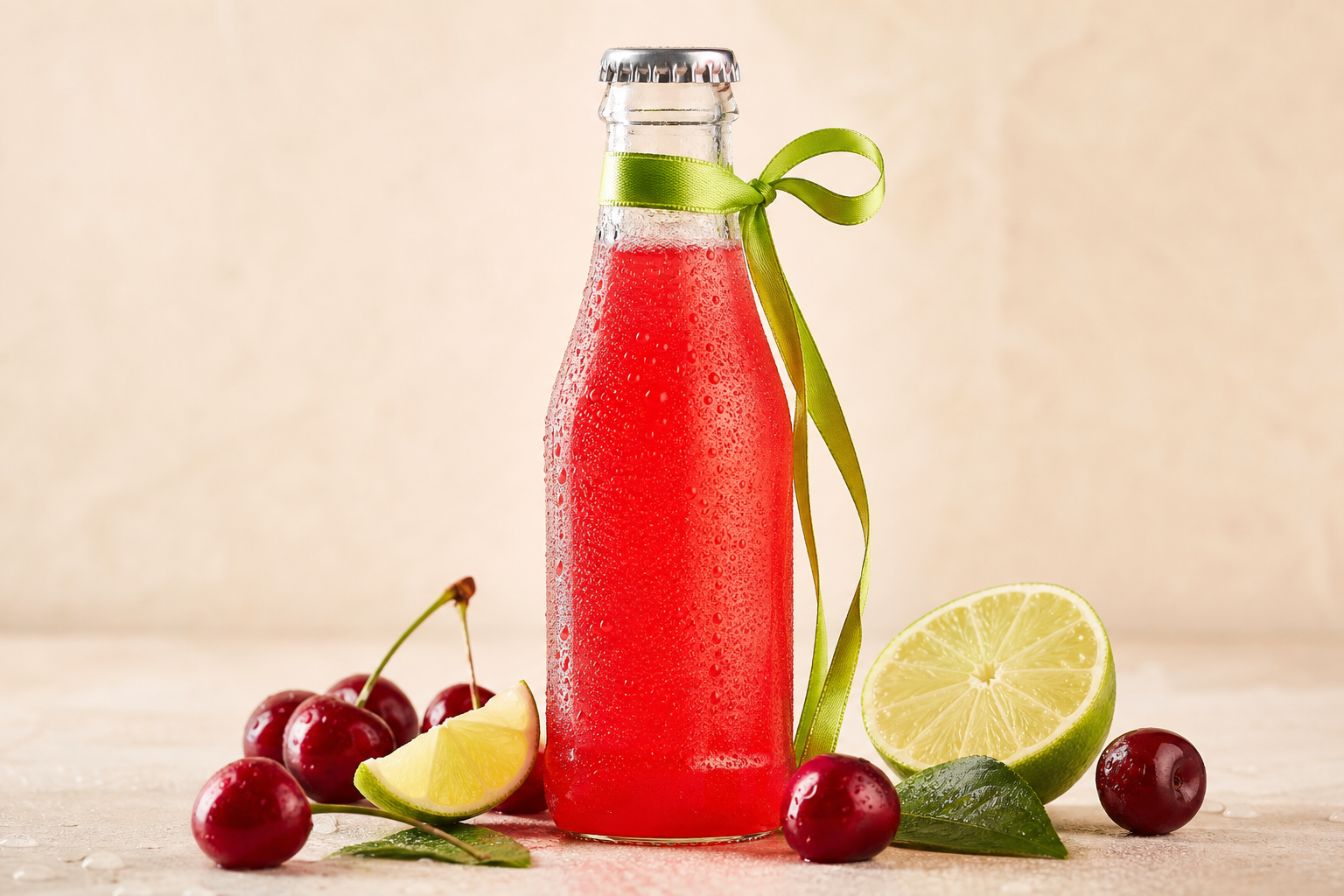
Tart lime meets cherry syrup for a two-tone refresher that reads like a fountain drink.
Learn more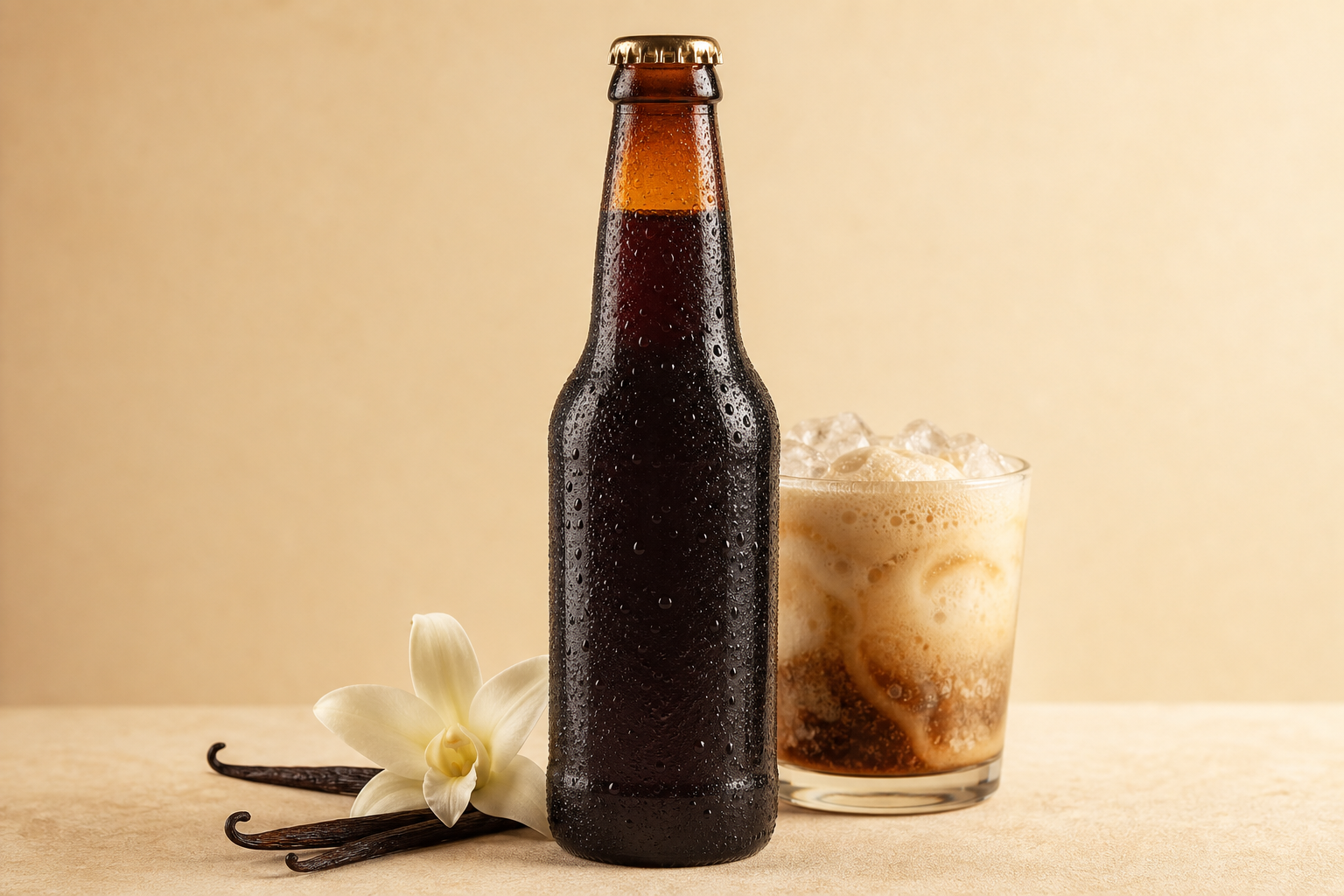
Root beer base layered with smooth vanilla — dessert-forward without losing carbonation.
Learn more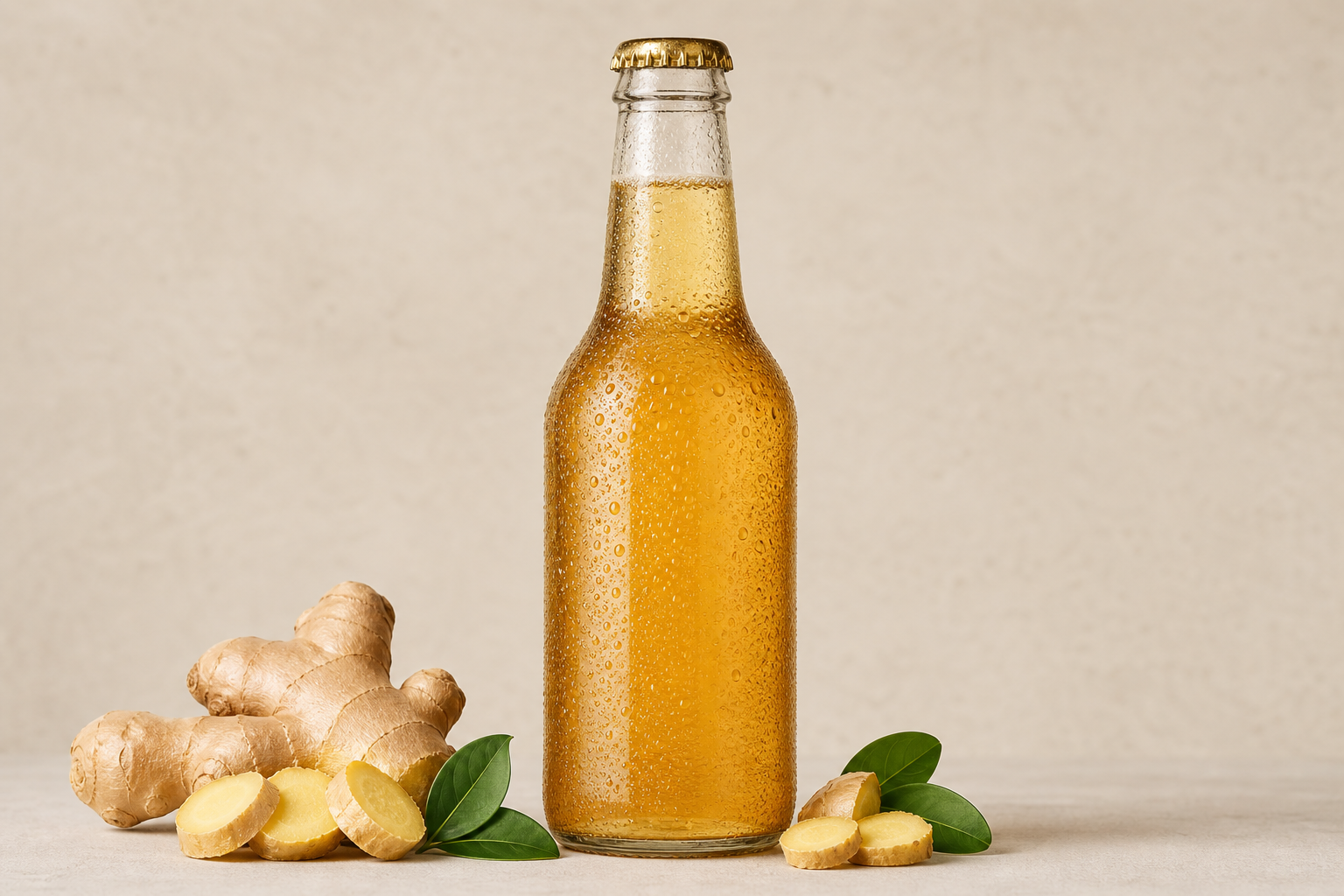
Brand story
George Rackensperger did not set out to build a national soda empire. He wanted a creamy, foam-topped root beer worthy of Maryland car hops — a recipe that could compete with Stewart's and Dog n Suds when Frostie Enterprises expanded through the 1970s. That regional pride still shows up in label art, bottle shapes, and the way collectors talk about Catonsville on forums.
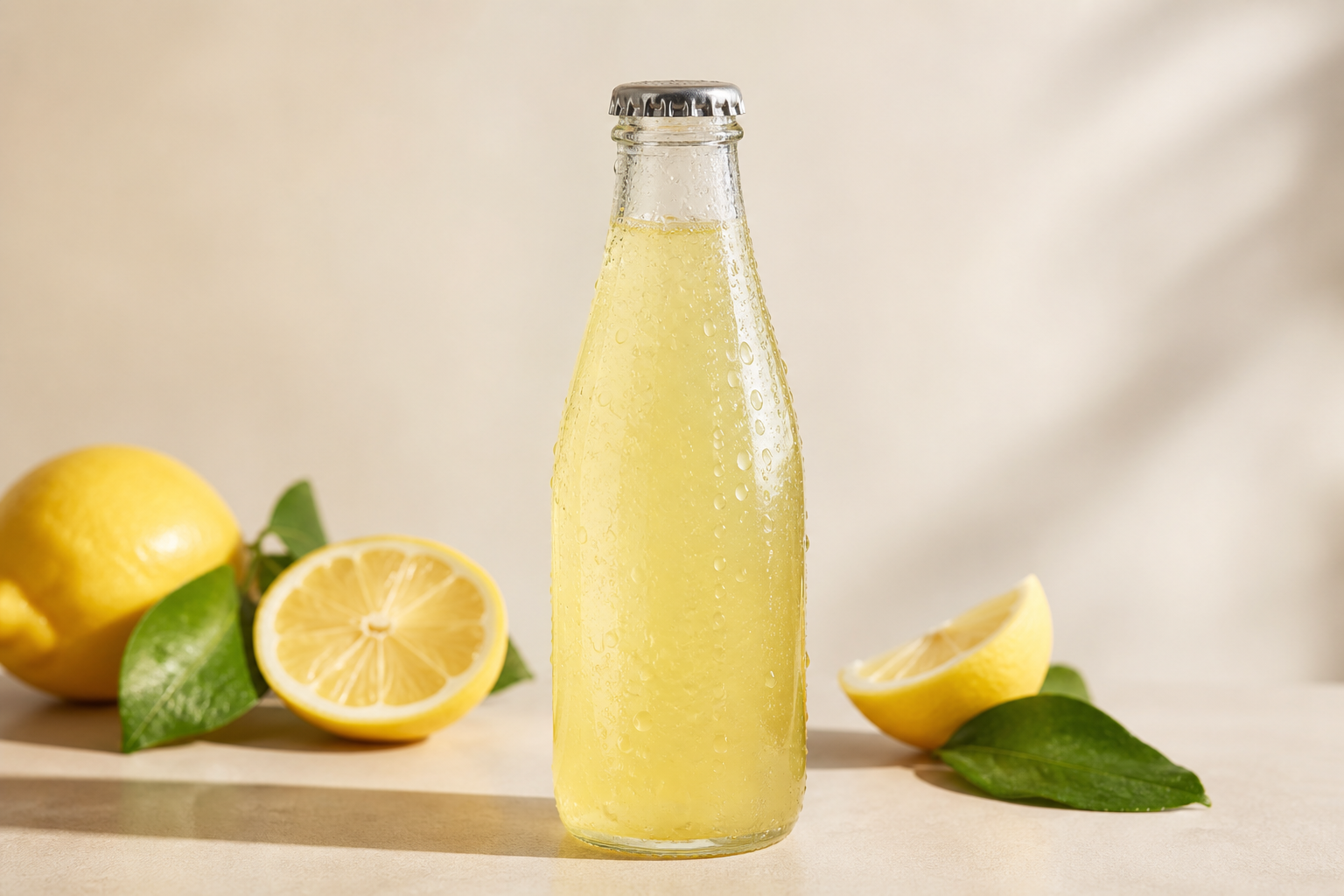
Unlike single-flavor craft brands, Frostie spread across categories. Root beer variants anchor the line, but fruit sodas, ginger drinks, and lemonades give the catalog breadth you rarely see outside major bottlers. Families treat orange and grape as kid-friendly staples; adults reach for ginger beer in mocktails; blue cream soda photographs beautifully at parties. The variety is the point.
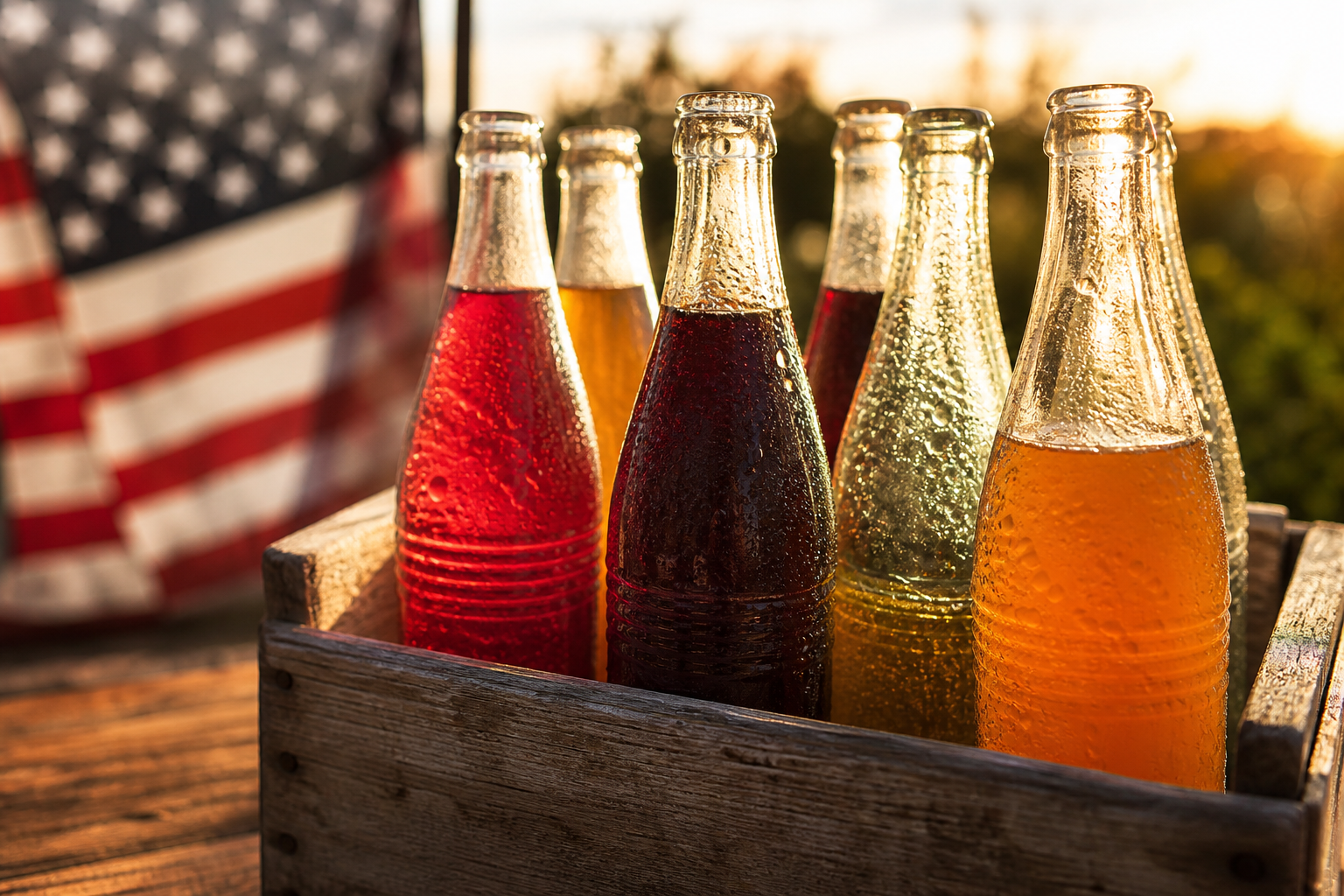
Ownership changed hands over decades — Stewart's Restaurants passed through Frostie's portfolio in 1971, Dog n Suds joined in 1974 — yet the flavor formulas stayed recognizable. Modern bottles may use updated sweeteners and distribution partners, but the retro sensory profile remains: bold carbonation, candy-shop fruit notes, and root beer foam that rewards a slow pour over ice.
If you are new to the brand, start with flagship root beer, then branch to blue cream or cherry limeade for contrast. Read our caffeine guide before serving kids at night, and check owner reviews for pour tips and retailer notes.
Sixteen options from root beer to lemonade.
Glass-friendly branding built for collectors.
Family-friendly pours for evening meals.
Pour culture
Frostie was built for frosted mugs and slow pours — not chugging from room-temperature cans. Collectors rinse glassware cold, tilt the bottle, and stop before the neck gurgles. That ritual preserves carbonation and builds the foam cap root beer lovers post about online.
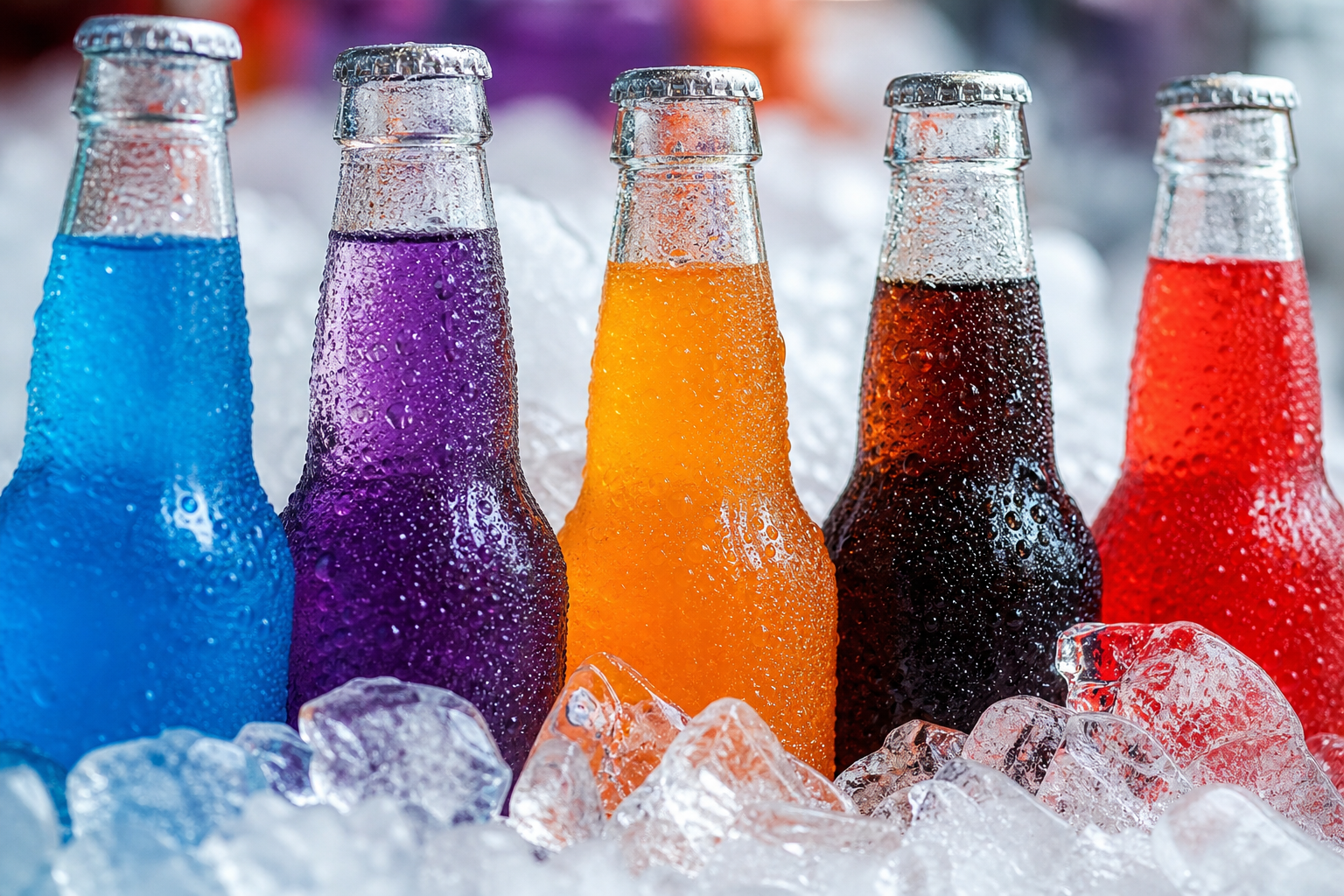
Fruit sodas follow a different script. Grape and orange go straight into picnic coolers buried in ice. Blue cream lands on dessert tables in clear cups so the color shows. Cherry limeade gets lime wheels and chipped ice for pool parties. Lemonades sit in pitchers with mint — less foam, more refreshment.
Home mixologists keep ginger beer for mocktail bars and vanilla root beer for floats. Neither needs bar equipment — just ice, garnish, and a willingness to embrace candy-shop sweetness. When guests want less sugar, sparkling water splits work without abandoning the Frostie flavor profile.
Regional availability shapes habits. Mid-Atlantic shoppers grab variety packs for holidays; West Coast fans order cases online and ration bottles for tasting nights. Both groups converge on community reviews to compare bottler runs before committing to a full crate.
Deep dives
Flavor pages, caffeine facts, and decades of Maryland bottling history — everything in one place.
All sixteen Frostie varieties explained.
View lineup →Which bottles are safe for late dinners.
Read guide →From Catonsville to drive-in chains.
Explore history →Cotton-candy cream in sky-blue.
Taste notes →Concord grape punch profile.
Taste notes →Real pour tips and pairing ideas.
Read reviews →Common questions
George Rackensperger founded The Frostie Beverage Company in Catonsville, Maryland, in 1939. The brand grew through drive-in culture and later acquisitions including Stewart's and Dog n Suds.
Yes — Frostie sodas remain in production with regional distribution. Availability shifts by state, so specialty grocers and online retro sellers are reliable starting points.
Root beer is the flagship, but blue cream and cherry limeade win taste tests for parties. Grape and orange dominate family coolers. Try our flavor guide to match your palate.
Formulas vary by bottler and year. Check the ingredient panel on your bottle — some runs use cane sugar while others use high-fructose corn syrup depending on production location.
Most fruit and cream sodas are plant-based, but recipes change. Review allergen statements for dairy derivatives in cream varieties before serving strict vegan guests.
Compare all sixteen flavors, read caffeine notes, and explore the Maryland story behind every pour.